
The drone in my case feels modern. Its family tree reaches back more than a century.
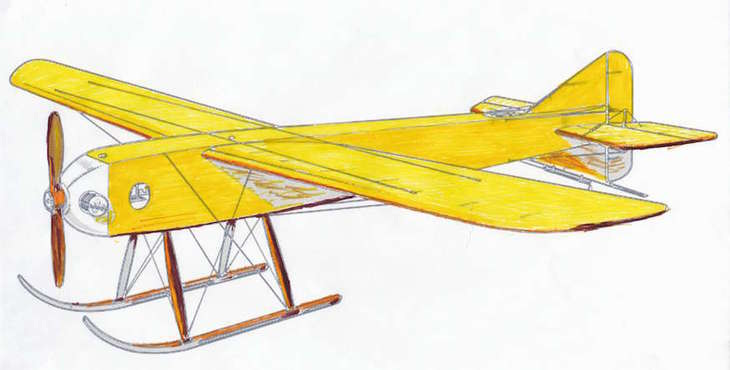
Britain tested a small radio-controlled aircraft called the Aerial Target in March 1917. Dr. Archibald Low designed its remote-control equipment.
The first controlled flight
Imperial War Museums describes the Aerial Target as the first drone to fly under control. The United States followed with the Kettering Bug in 1918. Neither aircraft entered operational service during World War I, but both proved that a pilotless aircraft could leave the ground.
Where the word drone came from
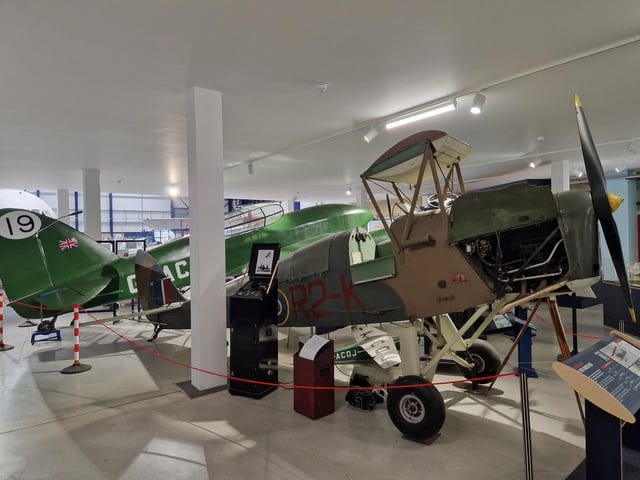
Britain built radio-controlled DH.82B Queen Bee aircraft in the 1930s as targets for anti-aircraft training. The Imperial War Museums and Royal Air Force Museum both connect the word drone to the Queen Bee name.
The Queen Bee gave gunners a moving target without putting a pilot in the line of fire. Its spruce-and-plywood fuselage could float after the aircraft came down in water.
The United States watched. By 1939, the Radioplane OQ-2 had become the first mass-produced UAV in America. The factory supplied another strange footnote. Photographer David Conover met Norma Jeane Dougherty while she worked at Radioplane. Those photographs helped start the career of Marilyn Monroe.
From targets to cameras
For decades, unmanned aircraft stayed tied to target practice, surveillance and war. The aircraft grew larger. Radio links improved. Autopilots stopped behaving like science-fair projects.
Then cameras, batteries, GPS receivers and small electric motors shrank.
That brought the technology off military runways and into cases carried by photographers, roof inspectors, farmers, firefighters and people like me who pull off a road because a town looks different from above.
The history is not a straight line. It is a shelf full of odd machines, failed tests and useful ideas that waited years for the rest of the hardware to catch up.
Large drones changed civilian work
NASA helped move large unmanned aircraft into science work. Its Global Hawk aircraft flew high-altitude missions that could last about 24 hours and cover roughly 8,500 nautical miles. Researchers used unmanned aircraft to study storms, wildfires and the atmosphere without putting a crew inside a long, risky flight.
That scale feels far away from a folding camera drone. The same bones remain: a ground station, a radio link, navigation, sensors and an aircraft doing work where a person does not need to sit.
The small-drone turn
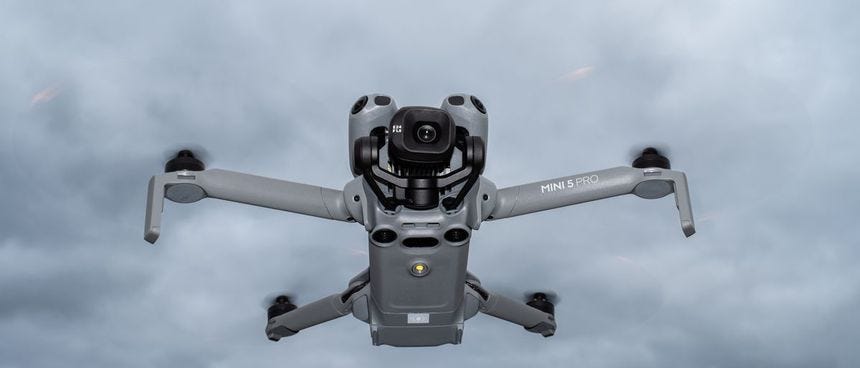
Consumer drones became useful when several technologies matured together. Brushless motors became reliable. Lithium batteries carried enough energy. GPS held position. Tiny inertial sensors kept the aircraft level, and digital cameras stopped looking like security footage.
Flying changed.
Older radio-control pilots had to manage the aircraft every second. A modern camera drone can hover while I frame a courthouse or wait for a car to leave the shot. The software carries part of the workload. It does not carry responsibility.
That distinction matters. A hundred years of engineering can hold the drone in place. The pilot still decides whether it should be there.
Sources
Imperial War Museums, A Brief History of Drones:
https://www.iwm.org.uk/history/a-brief-history-of-drones
Smithsonian National Air and Space Museum, The Secret History of Drones:
https://airandspace.si.edu/air-and-space-quarterly/issue-12/secret-history-of-drones
NASA Global Hawk:
https://www.nasa.gov/aeronautics/global-hawk-uas/
If you want more drone history mixed with what I see from the road, subscribe. Old machines explain more about the one in my case than most product launches do.
https://www.dronedrifter.com/subscribe